.png?w=1600&h=900)
A friend of mine recently lost his job and asked a simple question:
“If I make custom products at home with a heat press, is this actually profitable?”
The honest answer: heat press products can be profitable if you clearly understand your real unit cost and your output efficiency. Let’s break this down with two common beginner paths: DTF T-shirts and sublimation products.
1) Real Unit Cost: What You Actually Pay Per Item
DTF T-Shirts (Simple to start, competitive pricing)
Typical retail price: ~$15–$25 per shirt
Typical unit costs (example ranges):
- Heat press depreciation: $0.20–$0.60
- Plain cotton T-shirt: $2.50–$5.00
- DTF transfer: $1.50–$3.50
- Protective sheet: $0.05–$0.10
Estimated unit cost: ~$4.25–$9.20
Gross margin (before fees & marketing): ~$6–$16
What this means: DTF T-shirts are easy to launch, but because prices are transparent, your margin depends on how different your designs and branding are.
Sublimation Products (More learning, more pricing flexibility)
Typical retail price: ~$8–$30 per item
Typical unit costs (example ranges):
- Printer + ink depreciation: $0.20–$0.70
- Heat press depreciation: $0.20–$0.60
- Sublimation paper: $0.05–$0.20
- Protective sheet: $0.05–$0.10
- Blank materials: $0.80–$4.00
Estimated unit cost: ~$1.30–$5.60
Gross margin (before fees & marketing): ~$5–$20
What this means: Sublimation products cost less per unit and give you more pricing flexibility because there’s less direct competition.
2) Output Efficiency: Profit per Hour Matters More Than Profit per Item
Even if two products have similar unit margins, your real profit is determined by how many items you can make per hour.
DTF T-shirts: typically 1 shirt per press, ~25 seconds pressing time + setup/peel/reset
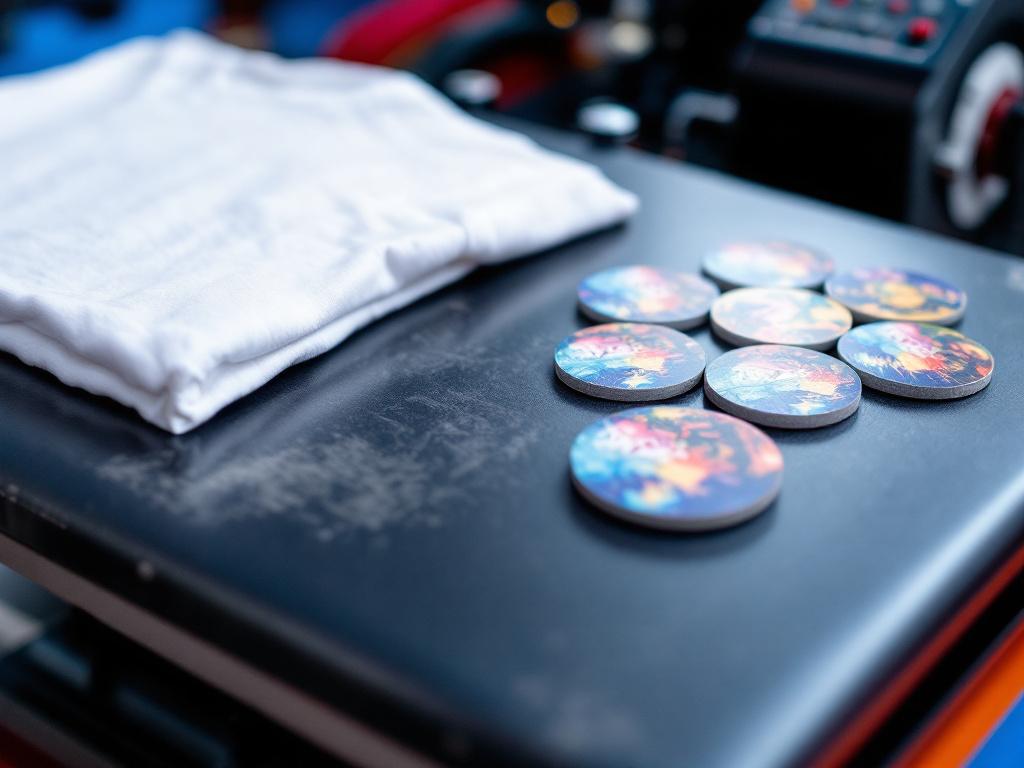
Sublimation products: when items are the same material and thickness, you can press 1–6 pieces per cycle if they fit on the platen
What this means: Sublimation products often deliver higher profit per hour for home-based production, even when per-item margins look similar.
A Practical Way to Start (Without Overestimating Profits)
- Pick one product type to test first
- Track unit cost and units per hour for your first batch
- Adjust pricing or product choice based on real numbers
This keeps your expectations grounded and avoids over-investing too early.