.png?w=1600&h=900)
Understanding Sublimation Blanks and Material Compatibility
When using a sublimation heat press, not all materials will give you the same results. The good news is that sublimation itself doesn’t have a steep learning curve—most challenges come from choosing materials that are made for sublimation.
Sublimation printing refers to the printing method, while material choice matters most during the heat press stage. Starting with sublimation-ready blanks helps make results more consistent, colors more vibrant, and the entire process easier to manage—especially if you’re new.
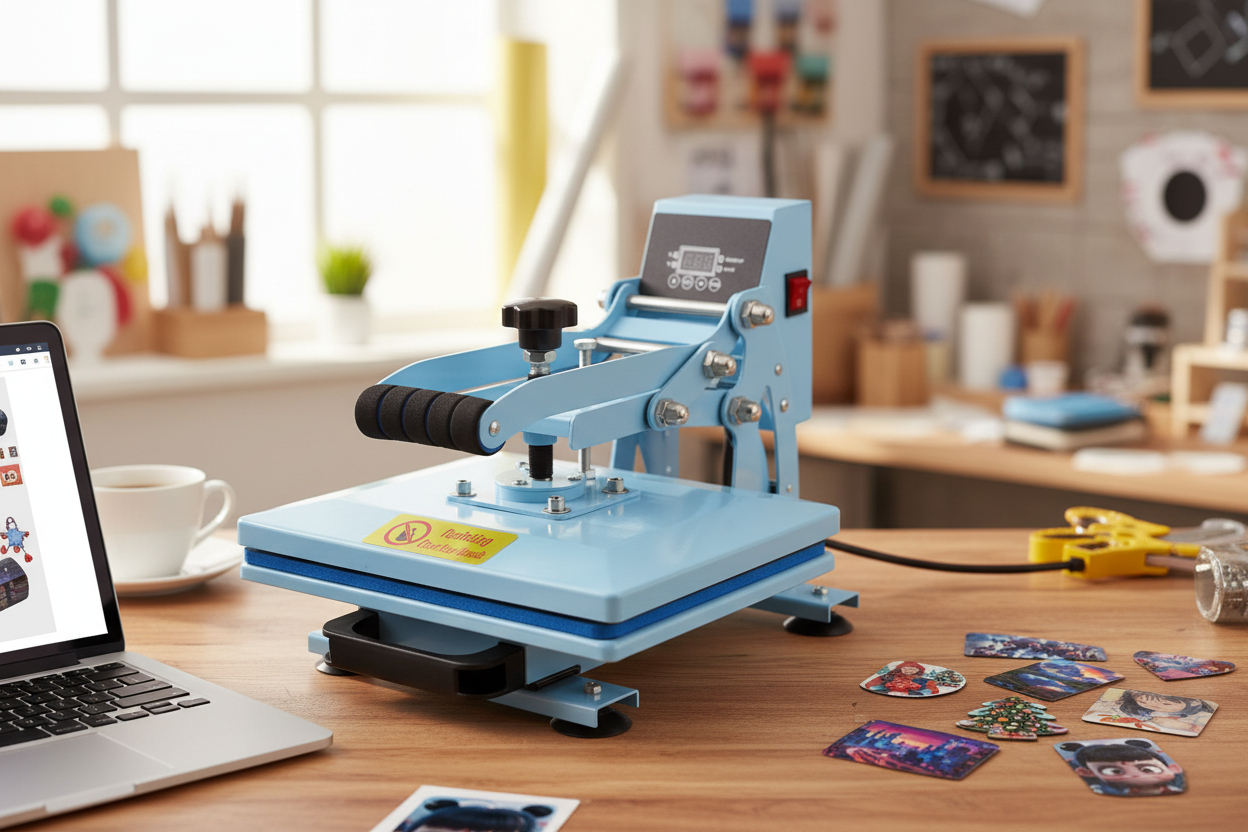
Materials Suitable for Sublimation Heat Press
1. Polyester and Poly-Blend Fabrics
Polyester and high poly-blend fabrics are the most forgiving materials when using a sublimation heat press. During the heat press step, these fabrics allow the dye to bond smoothly into the fibers, which helps colors appear brighter and results stay consistent. This is why many ready-made blank T-shirts, blankets, and sportswear sold for customization are made with these fabrics.
2. Coated Ceramic Blanks
Ceramic items designed for sublimation come with a special coating that supports clean and even color transfer during heat pressing. You’ll commonly see this in everyday products like sublimation mugs, sublimation tiles, and ceramic photo gifts used for home décor and personalization. For beginners, coated ceramic blanks are popular because they’re predictable and easy to work with.
3. Coated Metal Blanks
Metal blanks used for sublimation are typically aluminum panels made specifically for heat transfer. These aluminum sublimation blanks are commonly used for photo panels, plaques, signs, and nameplates where detail and durability matter. As long as the metal is labeled as sublimation-ready, it usually performs very reliably during heat pressing.
4. Coated Synthetic Leather Blanks
Sublimation works well on synthetic leather blanks that are coated or manufactured for heat pressing. These are often used for keychains, tags, and small accessories—great options for gift items and lightweight custom products. The key is choosing blanks designed for sublimation rather than natural leather.
5. Coated Acrylic and Paper-Based Blanks
Acrylic and paperboard materials can also be used with a sublimation heat press when they’re properly coated. You’ll often find these materials in sublimation acrylic blanks, sublimation magnet blanks, photo panels, fridge magnets, and small decorative items. These blanks are especially useful for testing ideas or creating products in different sizes.

Common Misunderstandings About Sublimation Blanks
1. “If the image transfers, the material must be suitable.”
It’s common to assume that if an image appears on a surface, the material is fine for sublimation. In reality, some uncoated materials may show an image, but the colors can look dull or fade over time. Starting with sublimation-ready blanks helps avoid this issue and leads to more reliable results.
2. “Sublimation blanks are special and hard to find.”
This concern comes up often, but it’s usually not true. Most sublimation blanks are standard products made for the custom printing market and are widely available. You’re not searching for rare materials—just versions designed for sublimation heat press.
3. “If something looks wrong, I must be doing it wrong.”
When results don’t look right, many beginners immediately blame themselves or the equipment. In many cases, the heat press is working as expected—the material simply isn’t sublimation-ready. Choosing the right blanks often makes a bigger difference than adjusting settings.
Looking for Sublimation Blanks Wholesale?
If you plan to try different products or create items in small batches, having the right blanks on hand makes everything easier.
For those exploring sublimation blanks wholesale—including blanks for magnets, acrylic items, metal panels, and other accessories—you can browse our accessories collection to see what’s available for custom projects.
👉 Explore sublimation-ready accessories here
Final Thoughts
Sublimation heat press doesn’t need to feel complicated. With the right materials and a clear guide, it’s a very approachable way to create custom products. By starting with sublimation-ready blanks, you remove most of the guesswork and make the learning process smoother—especially when you’re just getting started.
Optional: Review the Basics
If you’d like to revisit the fundamentals before moving forward, you may also find these helpful:
-
Sublimation Printing vs Heat Press: What’s the Real Difference?
-
What Can You Make with a Heat Press? More Than Just T-Shirts