.png?w=1600&h=900)
If you’re starting your first small business projects with a heat press, it’s easy to get stuck on one question:
Should I choose sublimation or DTF?
There’s no “better” option here. Both methods can be done with a heat press. If you’re new to sublimation printing, understanding how it works with a heat press will help you choose the method that fits your first small business projects.
The real difference is what you want to make and what kind of results you want to achieve. The goal is to choose the method that’s easier to start with and better matches your first products.
Start with the Products You Want to Sell First
Before thinking about techniques, ask yourself: What do I want to sell in my first orders?
Are you leaning toward:
- T-shirts and canvas tote bags — common products with heavy competition, but easier to start with?
Or:
- More diverse items like magnets, keychains, desk ornaments, or coasters — less competitive, but requiring more learning at the beginning?
Your first product choice should guide your printing method.
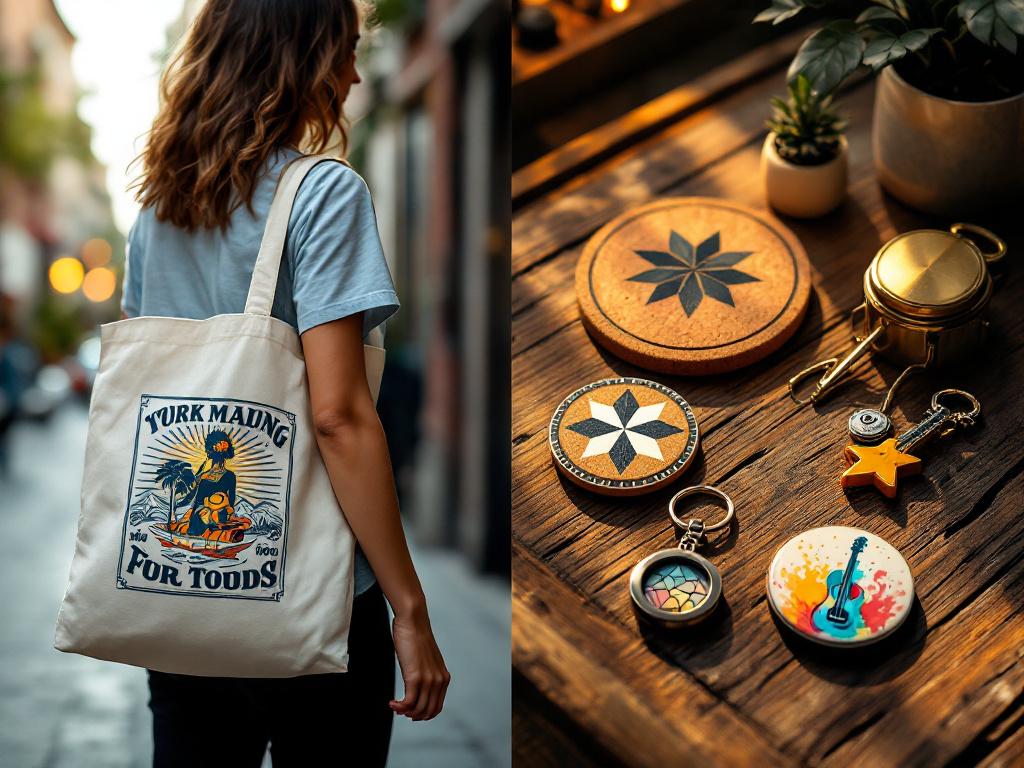
When DTF Makes More Sense for Your First Orders
If your goal is to start quickly with T-shirts and canvas bags, DTF is usually the simpler path.
With DTF, you only need:
- A heat press
- Blank cotton T-shirts
- Ready-made or custom DTF transfer sheets
The workflow is straightforward, and it’s easy to scale small batches. However, because the entry barrier is low, competition is high and profit margins can be tight. The quality of DTF transfers also varies — low-quality films can crack or fade after a few washes, which can lead to customer complaints.
DTF is great for speed and flexibility, but quality control matters if you plan to build repeat customers.
When Sublimation Makes More Sense for Your First Orders
If you want to create more diverse products, sublimation gives you more room to differentiate. With sublimation, you’ll spend some time learning how your sublimation printer works together with your heat press. Once you understand the workflow, you can apply the same process to many products — as long as you use suitable sublimation blanks.
At the beginning, sublimation can feel more complex than DTF. If you’re completely new, this real beginner walkthrough can help you get started: Sublimation for Beginners: Is Sublimation Hard for Beginners? A Real Beginner Experience
For T-shirts specifically, sublimation prints don’t crack or peel and can last through many washes. The trade-off is material limitation: sublimation works best on polyester or poly-blend fabrics (around 60–70% polyester). These shirts may not feel as soft as 100% cotton, which some customers prefer.
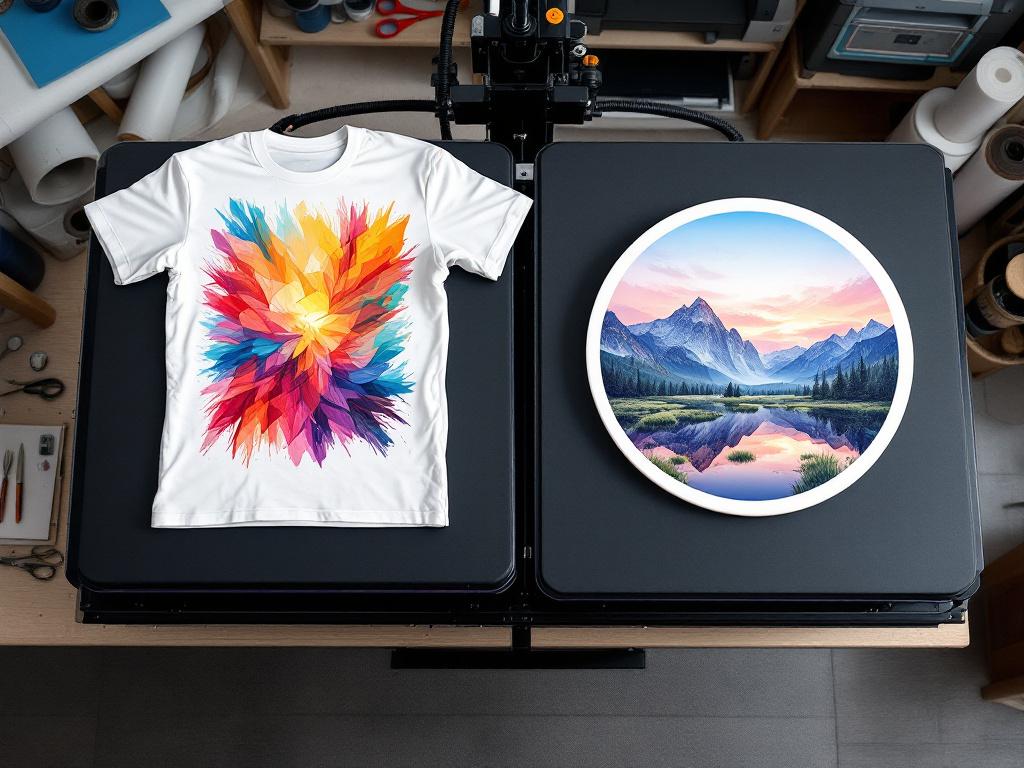
One Heat Press, Two Methods — It’s About the Process
Many people still think:
Heat press = T-shirt machine
In reality, heat pressing is a process, not just a product category. The same heat press can apply DTF transfers to cotton T-shirts, and it can also transfer sublimation designs onto coated everyday items using heat and pressure.
Owning a heat press that works for both DTF and sublimation gives you flexibility to test different product ideas without changing your main equipment. If you’re not sure whether your current machine is suitable, this guide can help: Can I Use My Heat Press for Sublimation? A Beginner-Friendly Answer
A Practical Way to Choose Without Overthinking
For your first small business projects, you don’t need to pick one method forever. A simple approach:
- Start with DTF if you want to launch T-shirts fast with minimal setup.
- Start with sublimation if you want to build a more differentiated product line and don’t mind learning the workflow first.
Once you’ve run your first 10–20 orders and understand your workflow, expanding to the other method becomes much easier.