.png?w=1600&h=900)
If you’re completely new to sublimation and still trying to understand the basics, you may want to start with these articles first:
- What Is Sublimation Printing? A Beginner’s Guide Using a Heat Press
- What Is Sublimation Printing and What Is It Used For?
- Sublimation Printing vs Heat Press: What’s the Real Difference?
Once you’ve read those, a very natural next question is:
“Is sublimation actually hard for beginners?”
Is Sublimation Hard to Learn?
At first glance, sublimation can feel a little intimidating—especially if you’re coming from simpler heat press methods like basic DTF T-shirt transfers. But here’s the honest truth: Once you go through the process once, sublimation is much easier than it looks.
The workflow is straightforward, the results are stable, and the product quality is consistently high. That’s why many beginners find sublimation to be one of the most cost-effective and beginner-friendly ways to start a custom product business.
Let’s break it down step by step—starting with what you actually need.
What Do You Need to Start Sublimation?
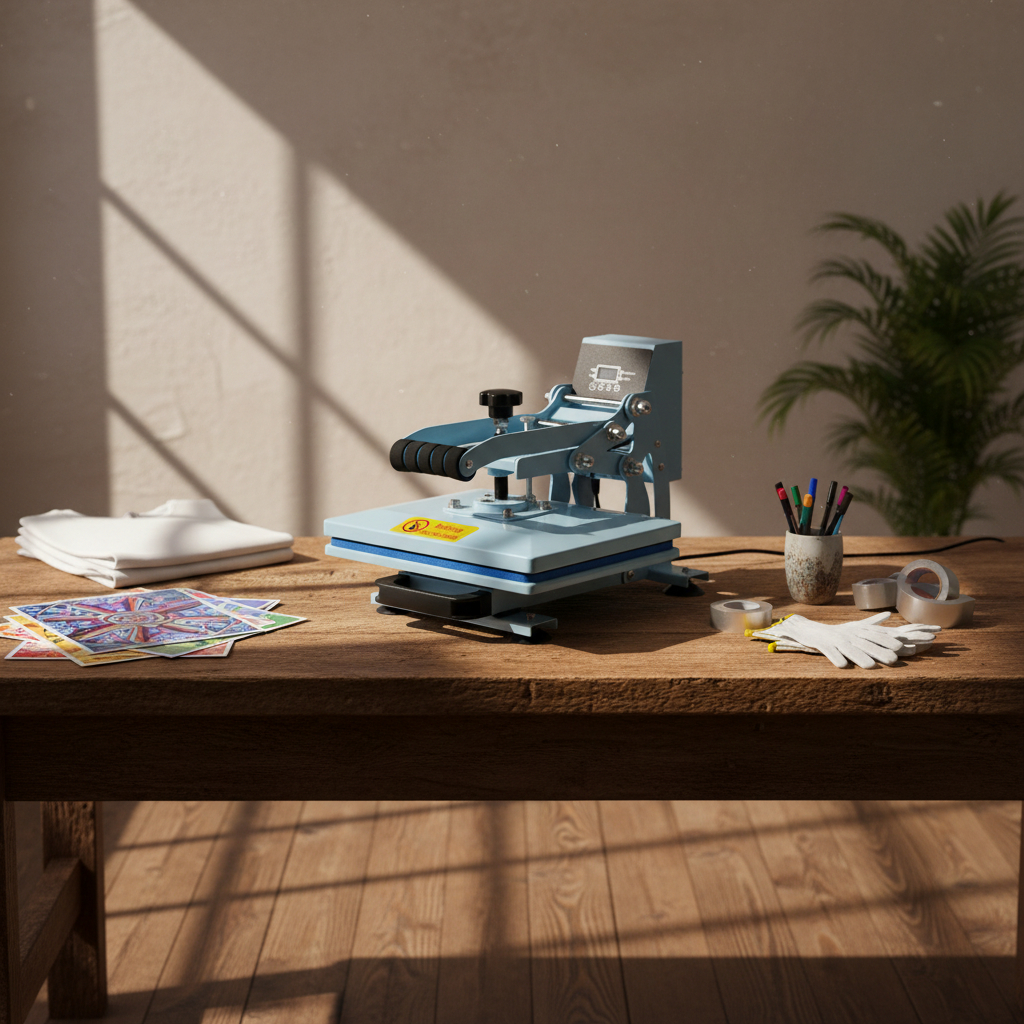
You don’t need a complicated setup. Most beginners start with a small, practical list of tools.
- Sublimation Printer
You can use a dedicated sublimation printer, or convert a regular inkjet printer for sublimation use.
Functionally, it works just like printing normal images—no special skills required.
- Sublimation Ink
Sublimation requires special ink. If you buy a sublimation printer, the ink is usually included. If you’re using a regular printer, you’ll just need to install sublimation ink separately.
- Sublimation Paper
Sublimation paper plays a big role in print quality. Most people use high-quality, slightly textured paper designed specifically for sublimation to ensure cleaner and more vibrant transfers.
- Heat Press (The Key Step)
This is where the magic happens. Sublimation prints often look darker on paper at first. Once heat and pressure are applied, the colors transfer and become bright, clean, and vibrant on the final product. A stable, evenly heated press makes this step very reliable—even for beginners.
- Sublimation Blanks (Your Final Product)
Choose the products you want to make, such as:
- T-shirts
- Keychains
- Photo frames
- Fridge magnets
- Canvas bags
- Pet tags
- Coasters
Just make sure the blanks are designed for sublimation.
- Heat-Resistant Tape
Used to keep the paper and blank aligned so nothing shifts during pressing.
- Protective Teflon Sheet or Heat-Resistant Cloth
Placed on the work surface to prevent ink transfer onto the heat press platen.
- Heat-Resistant Gloves (Optional)
Not required, but helpful if you’re worried about handling hot items. Most heat press handles are already designed to stay cool during normal use.
What Does the Sublimation Process Look Like?
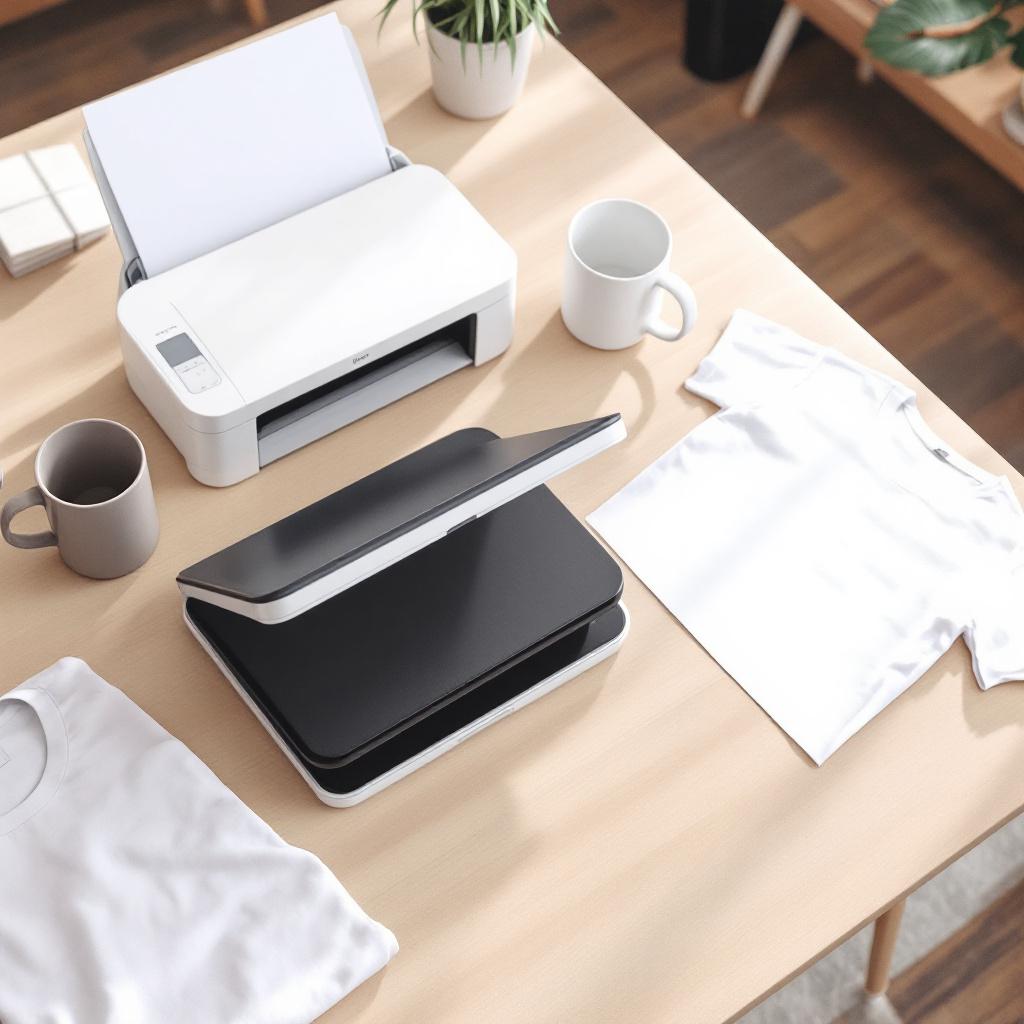
Once everything is prepared, the process is very manageable:
- Print your design using sublimation ink and paper (just like a normal printer).
- Turn on your heat press and set the temperature and time. Place a protective sheet on the press surface.
- Align the printed design on your sublimation blank and secure it with heat tape.
- Place the item into the heat press, adjust pressure if needed, and close the press.
- When the time is up, open the press and reveal your finished product.
That’s it. If you’d like to see a more detailed, step-by-step walkthrough, you can visit our tutorials page for practical examples. After seeing the full process once, most beginners realize:
“This is actually very doable.”
Common Beginner Questions (Answered Honestly)
- Do I need a large heat press for sublimation?
No. Common home sizes like 12×9 inch or 15×11 inch are more than enough for most everyday sublimation products.
- Do I need an expensive sublimation printer?
Not at all. A reliable, well-known brand is recommended for consistent print quality, but you don’t need a high-end commercial machine. As long as it prints sublimation paper cleanly, it’s sufficient.
- Are sublimation blanks hard to find?
No. Sublimation is a mature industry, and blanks are widely available for apparel, accessories, and home decor.
- How much does it cost to get started?
A typical beginner setup looks like this: Sublimation printer: $300–$400, Stable heat press: $200–$400, Ink, paper, and accessories: $100–$200
👉 Total startup cost is usually under $1,000.
- I still have questions—can I get help?
Of course. If you need support or guidance, you can reach out to us anytime at: support@diggymy.com
Is Sublimation Worth Trying as a Beginner?
In today’s custom product market, many people are focused on the same paths—DTF T-shirts, basic photo gifts, and highly saturated niches. Sublimation heat press, however, still offers:
- More creative flexibility
- Higher perceived product value
- Better long-term margins
If you’re willing to step slightly outside the most crowded options, sublimation is not only approachable—but potentially very rewarding. Sometimes, the most interesting opportunities come from trying something just a little different.