.png?w=1600&h=900)
If you’ve ever looked at custom T-shirts, mugs, or personalized gifts and wondered “How do they get the design to look so clean?” — there’s a good chance sublimation printing was involved. The term sounds technical, but the idea behind it is actually very straightforward.
This article explains what sublimation printing really is, what it’s commonly used for, and how to tell if it makes sense for your goals.
- What Is Sublimation Printing?
- What Is Sublimation Printing Used For?
- What Materials Can Be Used for Sublimation Printing?
- What Materials Do Not Work with Sublimation Printing?
- Sublimation Printing vs DTG and Screen Printing
- Who Is Sublimation Printing Best For — and Who Is It Not?
- Do You Actually Need Sublimation Printing?
- Final Thoughts
What Is Sublimation Printing?
Sublimation printing is a printing method that uses heat to permanently transfer dye into a material. You may also see it called:
- dye sublimation
- dye sublimation printing
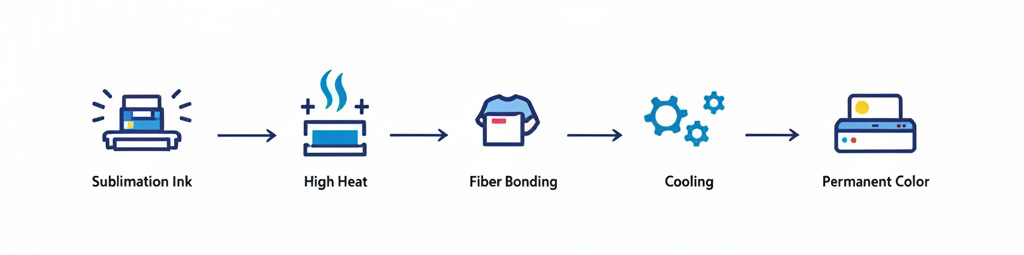
In practice, these terms all describe the same process. What makes sublimation printing different is how the image becomes part of the product. Instead of sitting on top of the surface like a sticker or layer of ink, the dye turns into gas when heat is applied through a heat press and bonds directly with the material itself. That’s why sublimation prints feel smooth to the touch and don’t peel, crack, or fade easily over time. At its core, sublimation printing is:
- a printing method, not a machine
- a process that must be completed with heat
- designed for durable, full-color customization
What Is Sublimation Printing Used For?
Sublimation printing is widely used for products that need to look clean and professional even after repeated use. Common examples include:
- T-shirts and apparel
- canvas prints
- mugs and drinkware
- phone cases and small accessories
- home décor and personalized gifts
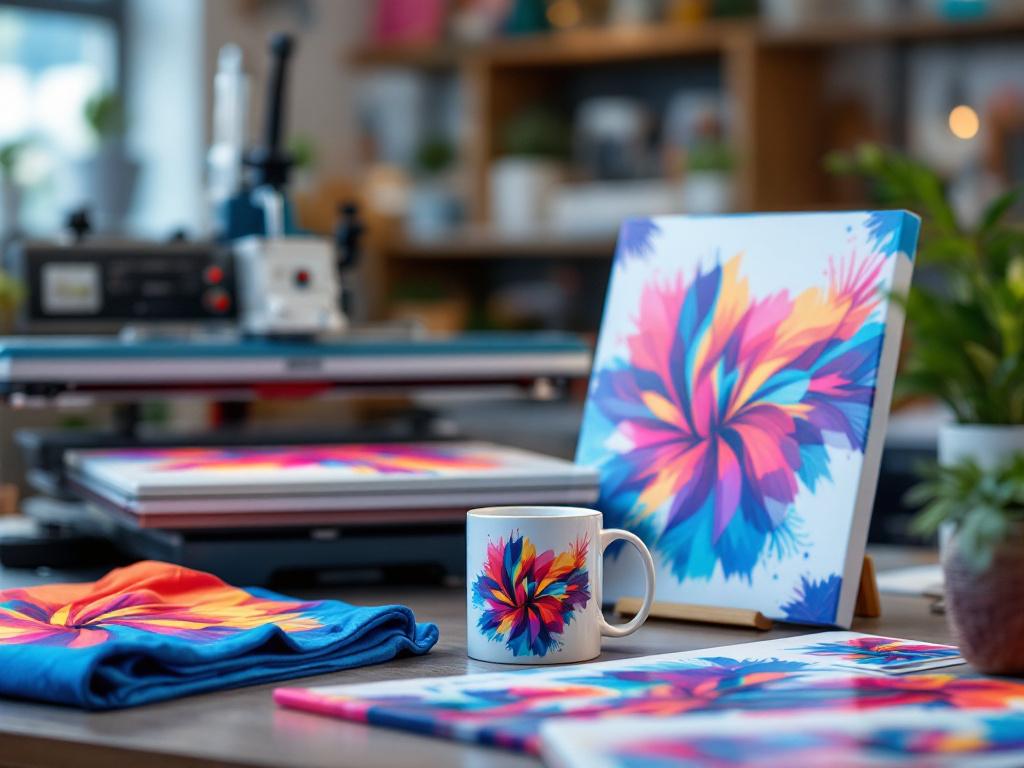
One thing that often surprises beginners is that printing alone doesn’t finish the job. After the design is printed, heat is required to activate the dye and permanently bond it with the product surface. That heat step is what actually completes sublimation printing. This is why sublimation is often mentioned alongside heat-based transfer methods — heat isn’t optional here, it’s essential.
What Materials Can Be Used for Sublimation Printing?
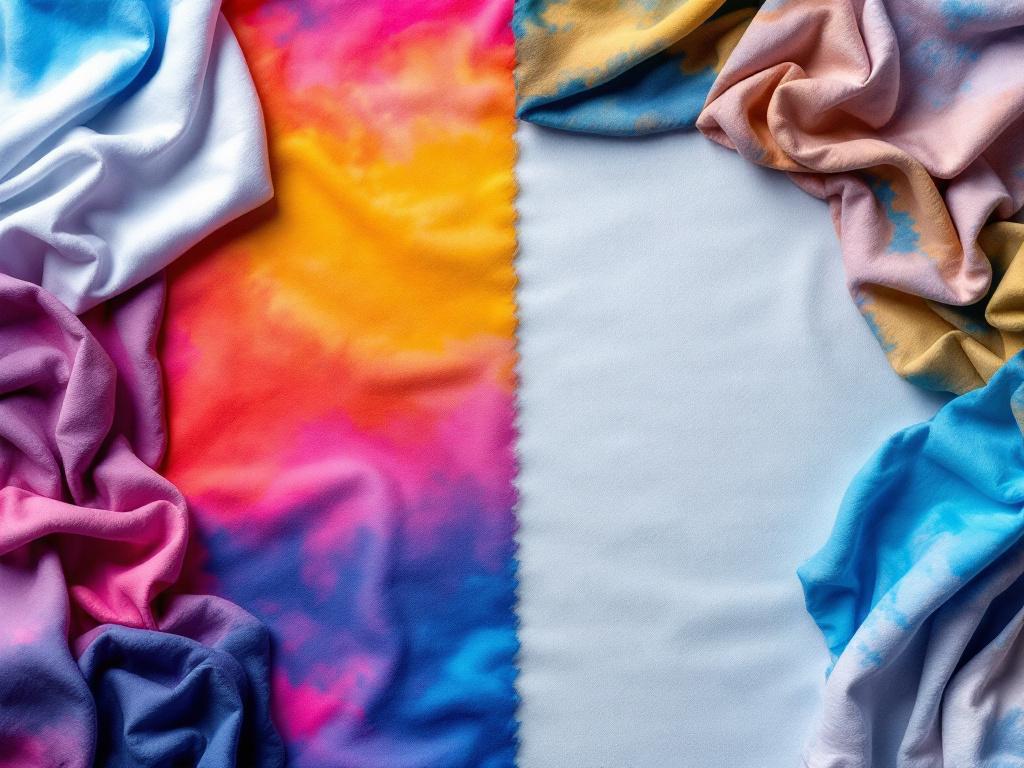
Sublimation printing works best on materials that can properly bond with sublimation dye. The most common compatible materials include:
- polyester fabrics
- polymer-coated surfaces
- coated metal, ceramic, or acrylic products
These materials allow the dye to transfer evenly and become part of the surface when heat is applied. When the right materials are used, sublimation produces vibrant colors and a smooth finish that holds up well over time.
What Materials Do Not Work with Sublimation Printing?
Not every material reacts well to sublimation printing. Materials that usually produce poor or unpredictable results include:
- pure cotton fabrics
- untreated natural wood
- uncoated leather
- dark or heavily textured surfaces
In these cases, the dye simply has nothing to bond with. The result may look faded, uneven, or temporary. Knowing this upfront helps avoid frustration and wasted materials, especially when you’re just getting started.
Sublimation Printing vs DTG and Screen Printing
Sublimation printing is often compared with DTG (direct-to-garment) and screen printing, especially by people exploring custom products for the first time. The real difference isn’t just how the image is applied — it’s how cost, setup, and flexibility behave at a small scale.
- DTG printing can deliver good results but usually involves higher equipment and maintenance costs, especially when white ink is involved.
- Screen printing shines in large production runs, but setup and plate costs make it inefficient for small batches or frequent design changes.
- Sublimation printing, by contrast, requires no plates, minimal setup, and produces predictable results across multiple product types.
For creators who want consistent quality without industrial-level investment, sublimation printing often offers a more balanced path — especially in the early stages of a business.
| Printing Method | Upfront Cost | Ongoing Cost | Flexibility | Quality Stability | Best Use Case |
|---|---|---|---|---|---|
| Sublimation Printing | Low | Low to Medium | High | High | Small businesses, multi-product customization, cost-efficient startups |
| DTG Printing | High | High | Medium | Medium | Apparel-focused businesses with higher volume and maintenance capacity |
| Screen Printing | High |
Low (at scale) |
Low | High | Large batch production with limited design variation |
Who Is Sublimation Printing Best For — and Who Is It Not?
Sublimation printing is a strong fit for people who care about cost efficiency without sacrificing quality. It works particularly well for:
- creators starting a small custom business
- sellers testing designs without large upfront risk
- makers who want one design to work across multiple products
- entrepreneurs focused on keeping waste and failed prints low
Because the process is relatively simple and consistent, sublimation allows small businesses to deliver professional-looking results without the overhead that often comes with other printing methods.
It may not be the best choice if you:
- work only with cotton or natural fabrics
- rely on very large, uniform production runs
- already operate an industrial-scale printing setup
Do You Actually Need Sublimation Printing?
If you’re looking at sublimation printing from a business perspective, the real question isn’t “Is it the cheapest option?” — it’s “Does it make sense for how I want to work?” Sublimation printing often makes sense if:
- color quality and durability matter to you
- you want to customize multiple product categories
- you prefer predictable results over complex setups
- you want to control costs in the early stages
For many small creators, this combination leads to higher overall cost efficiency, even if the per-item cost isn’t always the lowest on paper. If you’re comfortable incorporating a dedicated sublimation printer into your setup, sublimation printing can be a practical foundation for long-term growth.
Final Thoughts
Sublimation printing isn’t complicated — it’s just often misunderstood. Once you see it as a printing method that uses heat to permanently bond dye into materials, its strengths and limitations become much clearer. That understanding makes it easier to decide whether sublimation printing fits your products, your budget, and the way you want to build.