.png?w=1600&h=900)
More and more people are using sublimation printing to create T-shirts—and for good reason. Compared to DTF transfers, sublimation prints are more durable, don’t crack or peel, and become part of the fabric instead of sitting on top.
But while sublimation for T-shirts is already well established, using sublimation heat press to create creative products like fridge magnets, keychains, bottle openers, photo frames, coasters, and luggage tags is still a growing space.
So, is sublimation hard for beginners? Not really.

Once you understand the basic idea behind sublimation and are aware of a few common beginner mistakes, it becomes much easier to avoid problems and get stable, high-quality results.
Helpful Sublimation Tips for Beginners
Tip 1: Use a Protective Sheet Under Your Product
When making T-shirts, many people place a protective sheet on top of the garment to prevent heat damage. With sublimation heat press, it’s just as important to place a protective cloth or Teflon sheet underneath the product.
Sublimation designs are often slightly larger than the blank to ensure full coverage. This means excess dye can transfer through and stain the heat press platen. A protective sheet helps keep your work surface clean and avoids unwanted ink marks.
Tip 2: Stable Equipment Helps Keep Results Consistent
There are many heat press machines on the market at different price points. If you plan to do sublimation, choosing a press that supports sublimation properly makes a big difference. For sublimation, it’s important that the heat press provides:
- even heat distribution
- stable temperature control
- adjustable pressure for different material thicknesses
Uneven heating or fixed pressure can lead to inconsistent results, especially when working with different types of blanks.
Tip 3: Always Use Sublimation-Ready Blanks
Sublimation is a mature industry, and standard sublimation blanks are widely available. However, it’s important to choose blanks that are specifically designed for sublimation. Regular acrylic, wood, or metal without coating may accept an image, but the colors will often look dull or fade over time. If you want high-quality, sellable products, material choice matters more than many beginners expect.
Tip 4: Beginner Guidance Saves Time and Materials
When you first start using a sublimation heat press, it’s normal to waste materials simply due to unfamiliarity. Having basic beginner guidance—such as recommended settings for common materials—can significantly reduce trial-and-error. This doesn’t mean sublimation is difficult. It simply means that a little guidance early on helps you avoid unnecessary frustration.
Common Sublimation Mistakes Beginners Make
Mistake 1: Forgetting to Mirror the Design
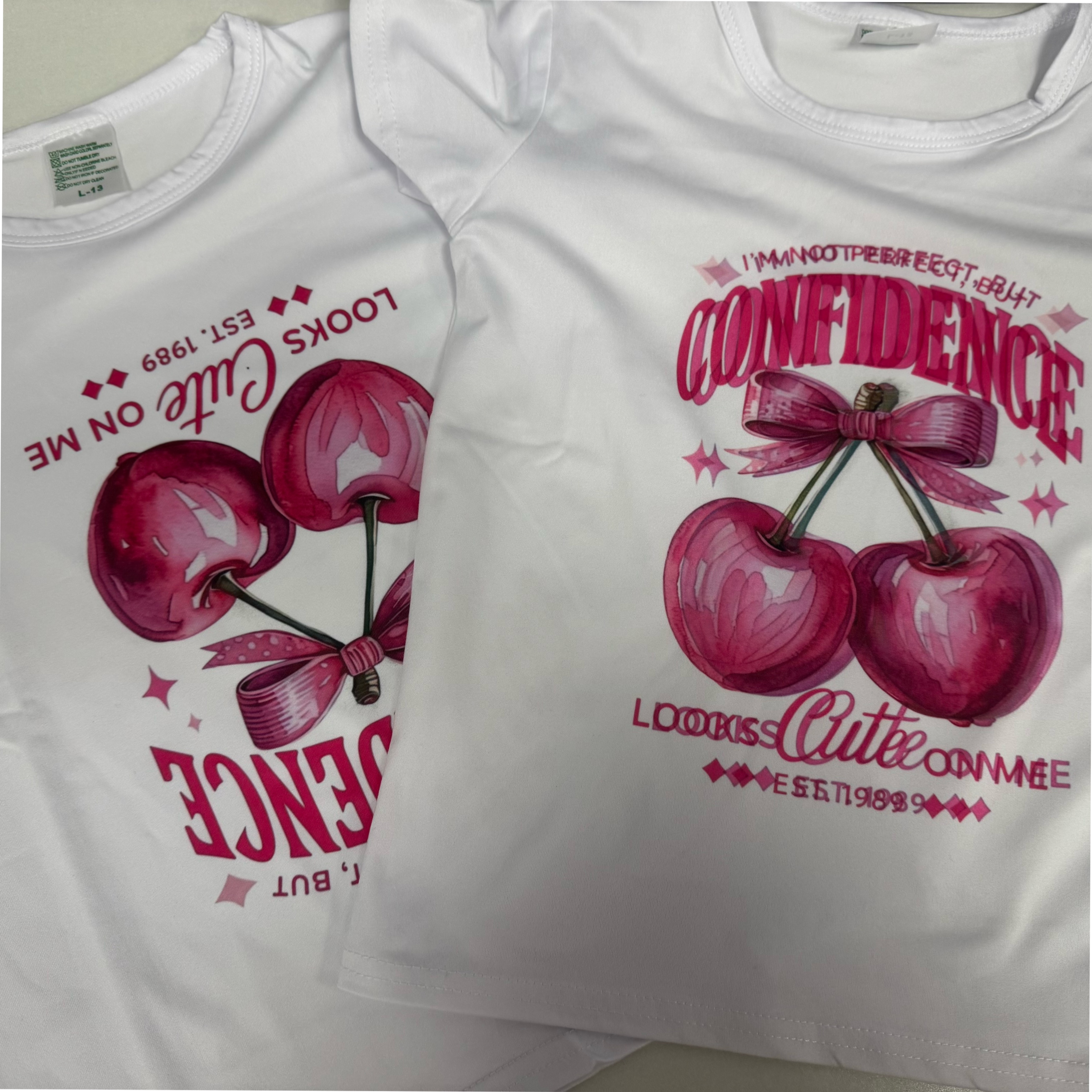
One of the most common beginner mistakes happens during printing. If the design isn’t mirrored, the final result will appear reversed after heat pressing. This is easy to overlook, but once you’re aware of it, it becomes second nature.
Mistake 2: Using the Same Time and Temperature for Every Material
Different materials respond differently to heat and pressure. Using the same settings for all blanks often leads to inconsistent results. This is why having reference guidance—or at least knowing that materials vary—helps beginners avoid confusion.
Mistake 3: Thinking Sublimation Is Too Complicated to Learn
Before trying sublimation, many beginners assume the learning curve is high. In reality, most people find that once they go through the process once, it becomes very manageable. What often feels “hard” at first is simply unfamiliarity—not complexity.
Mistake 4: Believing You Need Expensive Equipment to Start
Another common misconception is that sublimation requires a large investment. A typical beginner setup might look like this:
- sublimation printer: $300–$400
- stable heat press: $200–$400
- ink, paper, and accessories: $100–$200
That means you can usually get started with a total budget under $1,000, without needing industrial-grade equipment.
Final Thoughts
For beginners, sublimation heat press is not about mastering complex techniques. It’s about understanding a few key principles and avoiding common mistakes. With the right materials, stable equipment, and some basic guidance, sublimation becomes a very approachable way to create durable, high-quality custom products—especially in creative gift categories that are still growing. Sometimes, the biggest mistake is simply overthinking it before getting started.